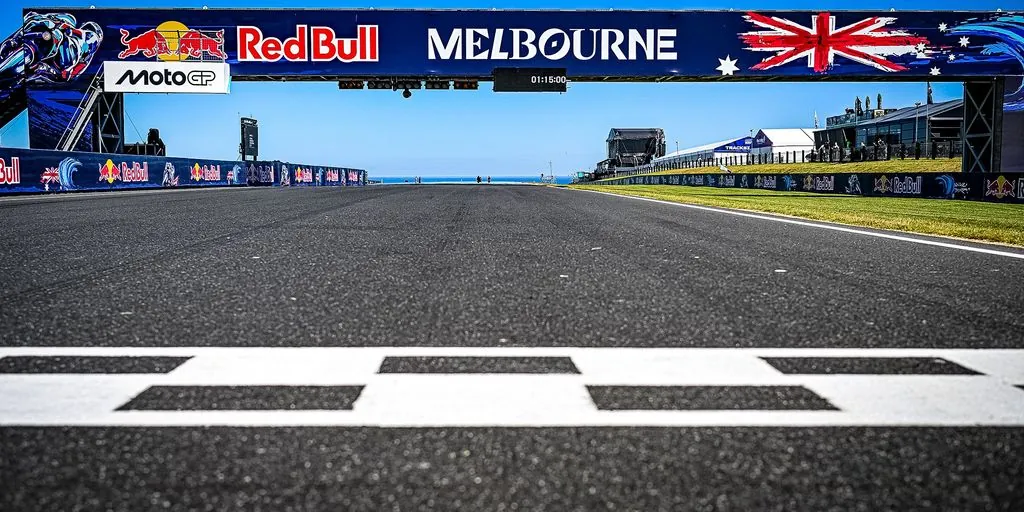
Safety Infrastructure as a Prerequisite for Track Action
Event reliability and the smooth execution of a grand prix timetable depend heavily on essential safety infrastructure remaining operational throughout the weekend. Track activity at Phillip Island was interrupted during the Australian Grand Prix weekend when low visibility prevented the event medical evacuation helicopter from flying. In the context of race operations, the situation was outlined in reports noting MotoGP Australian GP Delayed as Reduced Visibility Grounds Medical Helicopter, demonstrating how non-mechanical support elements directly dictate whether track sessions can begin on schedule.
Organisers initially delayed Sunday track running with an estimated target of resuming around 11:00 local time, noting that this window remained unconfirmed while officials waited for conditions to clear. Under official plans, the ten-minute MotoGP Warm Up was designated as the opening session once circuits received medical clearance, highlighting how emergency readiness governs the operational schedule.
FIM Medical Transport Mandates and Road Alternatives
Under Article 5.3.12 of the FIM Grand Prix World Championship Regulations, an air ambulance helicopter is normally a mandatory fixture at an event. The aircraft must carry appropriate life-support and resuscitation equipment, operate with qualified medical personnel, and be stationed close to the medical centre to eliminate delays. Regulatory guidelines state that the receiving trauma facility should normally be reachable within 20 minutes by air.
If weather grounds an aircraft, competition cannot automatically continue. Regulations permit road transfers by emergency ambulance under Article 5.3.12(c), but only after joint consultation between the Chief Medical Officer, the Medical Director, and the FIM Medical Officer, and provided the hospital is normally reachable within 45 minutes by road. Where road transit times exceed a reasonable distance and air transport is impossible, officials must consider stopping track activity entirely. In this instance, official event announcements did not clarify whether an alternative road transfer protocol had been reviewed or authorised.
Official reference: LATEST: MotoGP Phillip Island track activity delayed.

No comments:
Post a Comment