Physical Sets Versus Pit Visit Counters
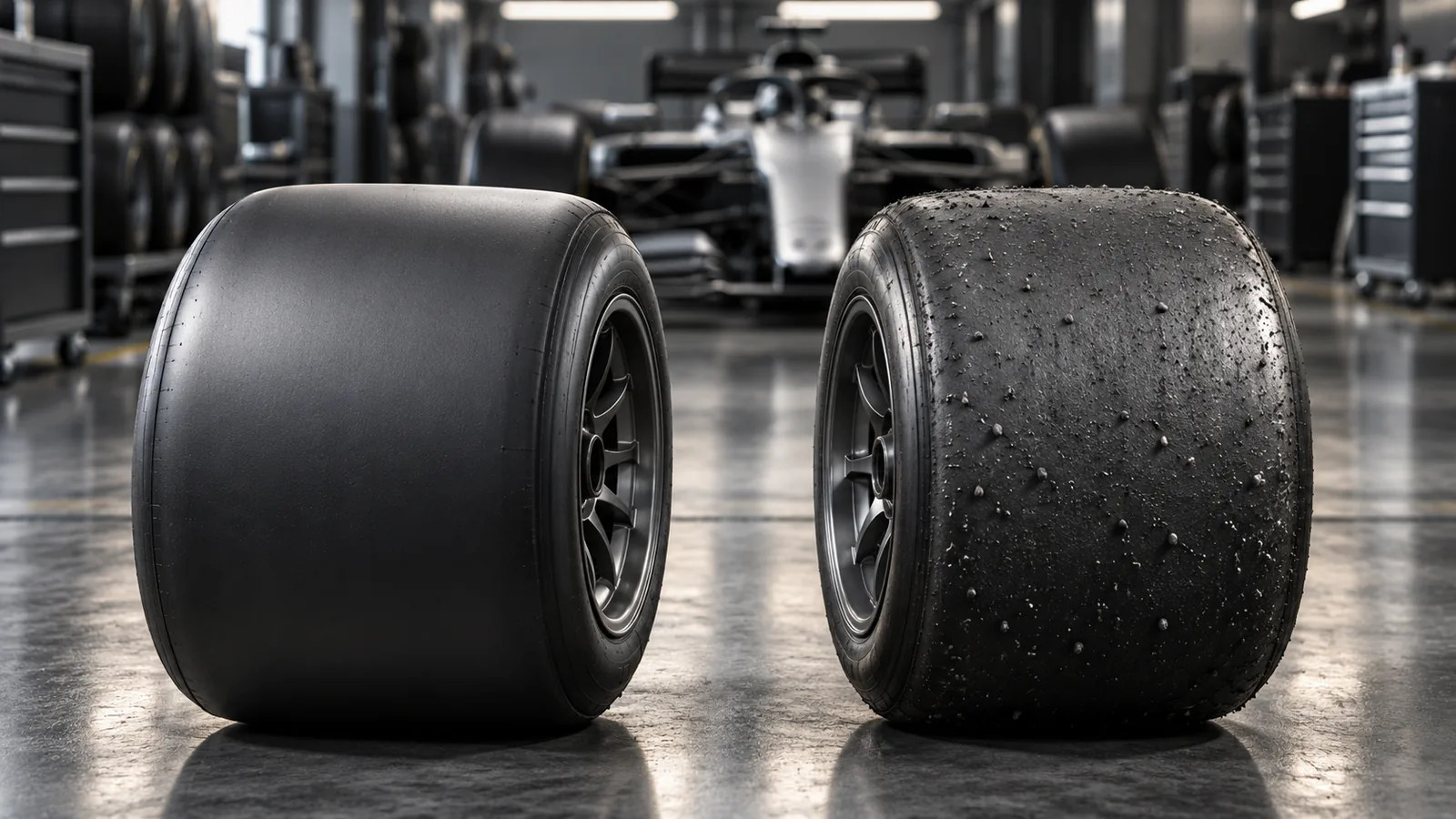
A common point of confusion during a Grand Prix is understanding why F1 tyre age does not reset after a pit stop when a car returns to the track. Tyre age is tracked per physical set of rubber rather than per pit visit or driving session. If a team elects to fit a set previously scrubbed during practice or qualifying, or merely stops to attend to car damage without replacing the rubber, the tyre history carries over directly into the new stint.
While a stint counter resets to record the duration of an ongoing run, the overall tyre age continues to accumulate the laps previously logged on that specific set. Broadcast graphics may apply differing counting conventions regarding installation laps, but the mechanical wear and running history remain tied to that individual allocation.
Regulations and Performance Realities
Formula 1 regulations treat tyre sets, compound specifications, and usage status as separate categories. Fitting an alternative set of the same soft specification constitutes a tyre change, yet both sets retain independent wear profiles. Article B6.3.2 of the 2026 FIA Sporting Regulations formally defines when fitted tyres become used, though designating a set as used does not signify that its effective grip has vanished.
Furthermore, an older set does not automatically guarantee slower lap times on subsequent laps. Factors such as fuel burn-off, operating temperatures, track evolution, and graining behaviour all influence grip. A pit stop cannot erase accumulated running from a physical set, but performance degradation does not follow a uniform, continuous decline across every compound or circuit.
Official reference: 2026 FIA Sporting Regulations, Section B, Issue 09.

No comments:
Post a Comment