The preview headed ERC Portugal finale: Mabellini put the runner-up fight in focus before the event. Teemu Suninen had already clinched the overall championship, but Andrea Mabellini arrived with an eight-point advantage over Miko Marczyk in the contest for second. Marczyk's potential dropped score was another factor in the standings.
The overall runner-up position was only one of the decisions left for Portugal. Timo Schulz and Tom Heindrichs were also competing for the Junior ERC and ERC4 titles. That made the gravel finale significant beyond the front of the rally: the same stages would count towards several separate championship battles.
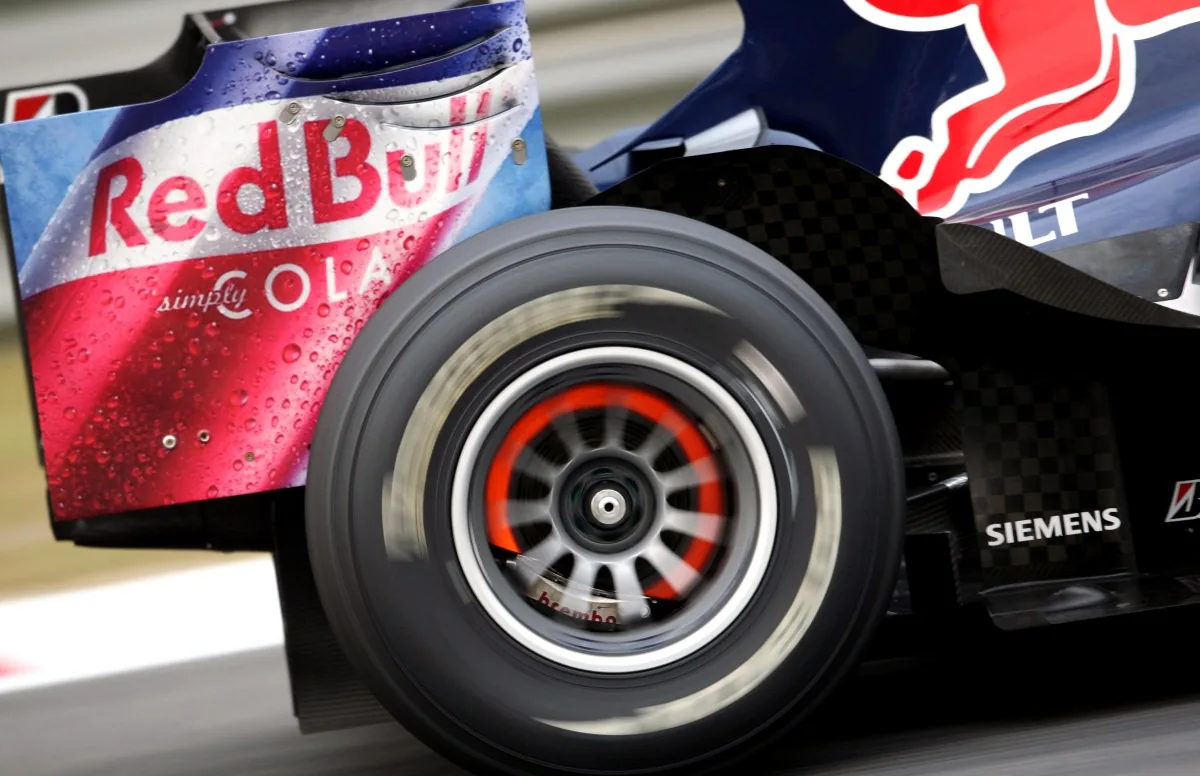
Spectators frequently notice bright crimson light radiating from the wheel hubs during heavy deceleration. The physical reason Why F1 brake discs glow red is straightforward: friction between the pads and discs generates substantial thermal energy, causing the carbon composite material to emit visible light. In endurance racing benchmarks cited by Le Mans organizers, carbon discs begin emitting a visible red glow around 600°C and glow noticeably brighter above 1,000°C, while extreme Formula 1 braking accounts have recorded disc temperatures exceeding 1,200°C.
Balancing Operating Heat and Cooling Dissipation
From a reliability standpoint, glowing carbon discs do not signify an imminent mechanical failure. Racing brakes operate poorly when cold, meaning teams must maintain adequate thermal energy rather than simply cooling the components as aggressively as possible. Carbon-carbon materials are engineered specifically to tolerate severe thermal cycling, uneven temperature gradients, and thermal expansion during repeated deceleration cycles.
When Thermal Limits Threaten Reliability
System degradation occurs when excessive temperatures are paired with inadequate heat dissipation. To evacuate heat, discs rely on ventilation holes to shed thermal energy between braking zones. If operating temperatures push past design boundaries and ventilation proves insufficient, the resulting overheating accelerates disc and pad wear while reducing overall braking efficiency.
Throughout Formula 1 history, disputes over driver conduct frequently peaked during championship deciders. Central moments include Michael Schumacher's disqualification from the 1997 World Championship following a collision with Jacques Villeneuve, alongside Ayrton Senna's rivalry with Alain Prost, marked by clashes at the 1989 and 1990 Japanese Grands Prix. Senna later admitted that the 1990 incident was deliberate retaliation, showing how title fights on the track transformed into long-standing debates over sporting ethics.
Regulatory Rulings, Safety, and Off-Track Incidents
Controversies within the sport have not been limited to deliberate contact between competitors. In an overview examining the Top 10 Most Controversial F1 Drivers of All Time (2025 Edition), inclusions span from safety protests—such as Niki Lauda withdrawing from the wet 1976 Japanese Grand Prix—to regulatory disputes, including Lewis Hamilton's 2009 disqualification for misleading stewards and later disagreements regarding FIA jewellery rules. Other entries involve team-level scandals, such as Renault instructing Nelson Piquet Jr. to crash during the 2008 Singapore Grand Prix, or personal conduct outside competition.
Formula 1 press sessions during race weekends are organized around on-track sessions to allow team figures and drivers to address technical and competitive developments. For the 2026 event in Austin, scheduled activities on Friday sit directly between practice sessions, providing insight from team management as track data begins to accumulate. In the official schedule for the United States GP: Newey, McNish and Budkowski were listed by the FIA to represent Aston Martin, Audi and Cadillac respectively during the Friday team session.
The timetable places this one-hour engineering and management conference between 14:30 and 15:30 local time. That schedule positions the media availability one hour after the conclusion of opening practice at 13:30, and finishes thirty minutes prior to the start of second practice at 16:00.
Driver sessions and performance-based appearances
Driver media obligations open on Thursday with six drivers scheduled across sessions listed at 13:30 and 14:00: Oscar Piastri of McLaren, Isack Hadjar of Red Bull, Carlos Sainz of Williams, Valtteri Bottas of Cadillac, Lewis Hamilton of Ferrari, and Kimi Antonelli of Mercedes. The published FIA material lists these two time slots without explicitly detailing individual driver assignments or a stated timezone for Thursday.
Later in the weekend, attendance shifts strictly to on-track outcomes. The post-qualifying conference features the three fastest qualifiers following Saturday track action, while Sunday post-race media appearances are allocated to the top three race finishers.
Active status and the race against mechanical retirement
When a red flag halts a Grand Prix, the interruption creates a critical window for teams managing mechanical issues or crash damage. Under the 2026 MotoGP red flag restart rules, riders are not automatically permitted to rejoin the race simply because proceedings have stopped. To be eligible for a restart when the initial race completed at least three laps, a rider must be classified as an active competitor at the moment the red signal appeared. This status requires either being on track or actively working to restart, repair, or return a damaged machine to pit lane.
Reliability and crash recovery are governed by strict physical and timing constraints. A rider must enter the designated pit-entry timing point with their motorcycle within five minutes of the stoppage signal unless granted an exceptional exemption. Crucially, the machine itself must be evaluated as fit to return to track action. Under the sporting regulations, the FIM MotoGP Stewards hold unappealable authority over judging whether a machine meets this condition.
Machine swaps, refuelling, and grid eligibility
If a machine suffers technical trouble during an interrupted race, the stoppage offers a vital lifeline for teams with sufficient spare parts or a backup bike. In both full restarts and sprint-distance resumptions, regulations allow teams to repair damaged machinery, switch to a spare motorcycle, and refuel before heading back out to the grid.
Whether that equipment gets to race depends on the leader's completed distance prior to the red flag. If fewer than three laps were completed, the original start is voided, permitting all riders to line up again on their original grid positions regardless of early mechanical dropouts. However, once three laps are in the books, only riders who were classified in the first segment may take the restart. Those classified a full lap down are relegated to a pit-lane start, while bikes trailing by two or more laps cannot restart at all, ensuring that extensive mechanical downtime ultimately ends a team's afternoon.
Safety signals on a circuit establish strict operational limits to protect riders and track marshals. Under the FIM Grand Prix World Championship Regulations updated in September 2026, riders entering a caution sector must immediately reduce speed, ride with caution, and refrain from passing competitors. The governing MotoGP yellow flag overtaking rules dictate that this restriction remains in effect through the entire zone until the motorcycle reaches the exact post where a green flag or green light panel is shown, rather than ending the moment a rider physically clears the crashed machine.
Rectifying Illegal Passes and Serving Penalties
When an overtaker passes another rider within a restricted yellow sector, race officials monitor whether the position change is corrected voluntarily. If a competitor recognizes the error immediately after making the pass, they can avoid disciplinary action by intentionally allowing every passed rider back through. If the position is not surrendered right away, race direction issues a penalty communicated via dashboard displays and team monitors, with the compliance lap counter initiating on the rider's next crossing of the finish line. Yellow flags also prevent riders from serving an outstanding Long Lap penalty if the loop itself is covered by caution signals, extending the window of laps available to complete the sanction.
Signal Differences Across Sessions
Trackside signalling uses flags and electronic light panels to mark distinct track conditions. A single yellow flag warns of hazards beside the circuit, whereas a double yellow indicates that an obstruction is partly or fully blocking the racing surface. Despite this physical distinction in hazard placement, both require the same level of speed reduction and caution during Grand Prix races. During practice and warm-up sessions, the rule operates with an automatic performance consequence: passing an active yellow signal immediately cancels that lap time, regardless of whether any overtaking occurred.
During a Grand Prix race, a blue flag signals to a competitor that they are about to be lapped. Under the MotoGP blue flag rules, the rider being lapped must allow every lapping rider to pass at the earliest available opportunity rather than yielding only to the overall race leader. Additionally, regulations forbid overtaking among a group of lapped riders while operating under the blue flag.
The governing provisions leave certain practical details open. Officials do not define a specific number of turns or an exact track maneuver that a rider must use to let faster machinery through. Official championship guidance notes that riders can face penalties for failing to respect track flags, though no automated penalty is prescribed specifically for blue-flag infractions.
Managing Track Traffic in Practice and at Pit Lane Exit
The meaning of the blue signal changes outside of standard race lapping. In practice sessions, displaying the flag warns a competitor that a faster bike is approaching from behind; the receiving rider must yield passage and avoid impeding others by cruising slowly along the primary racing line.
When leaving pit lane, a blue flag shown at a post positioned after the exit alerts the exiting rider to oncoming traffic at race speed. The rider joining the circuit must merge safely without disturbing machines already on track.
The Combined Finish-Line Signal
A distinct scenario occurs when competitors are running closely ahead of the race leader as the leader arrives at the finish line on the final lap. In this situation, marshals present both the blue and chequered flags simultaneously. This combined signal indicates that the leader has officially concluded the grand prix, while the riders immediately preceding must proceed around the circuit to complete their final lap and take their own chequered flag.
When mechanical issues strike before a race even gets going, MotoGP regulations provide a specific avenue for recovery. In an uninterrupted Grand Prix, a competitor suffering a machine problem directly on the grid or off the starting line is permitted a dedicated change of machinery. To remain eligible, the rider must get their second motorcycle past the timing point located at the pit-exit lights before the race leader completes the opening lap. This narrow concession addresses immediate starting malfunctions rather than technical trouble that first develops mid-way through the first lap.
Because a rider dealing with a grid breakdown does not ride into the pit lane from the circuit to complete a standard swap, the strict machine-positioning rules for regular mid-race exchanges are waived. However, safety protocols remain active: up to five designated crew members in approved helmets may assist, and a designated team member must safely manage the release without impeding pit-lane traffic.
Standard Pit Changes Versus Technical Interventions
Mid-race machine swaps operate under distinct criteria, governed either by a declared wet race before the start or the display of a white flag by race officials when precipitation arrives during a dry event. Under MotoGP white flag bike change rules, riders choose whether and when to pit, and the exchange protocol does not mandate a switch in tyre specifications. Slick-to-slick or rain-to-rain swaps remain entirely legal alongside wet-dry transitions, allowing teams to swap bikes while applying adjustments, tyre changes, or tyre warmers in the pit lane.
Unlike the start-line exception where the original motorcycle never makes a racing lap, standard flag-to-flag machine swaps require the incoming motorcycle to cross the pit-entry line and stop in designated positions. Whether reacting to mechanical failure at the lights or shifting track conditions mid-race, pit crews must prevent equipment or motorcycles from obstructing rivals, and exiting riders must always yield right-of-way to oncoming pit-lane traffic.
When a racing motorcycle develops a severe mechanical defect, track marshals and race direction must react quickly to prevent harm. Under FIM regulations, a black flag featuring an orange disc alongside a competitor's number signals that the machine has suffered a mechanical issue likely to endanger the rider or surrounding competitors. Unlike general sporting penalties, this instruction requires the rider to leave the active circuit immediately rather than continuing around to the pit lane.
The Process for Authorised Track Return
Experiencing an acute mechanical issue does not automatically mean permanent retirement from the session. However, understanding the MotoGP black flag orange disc rejoin rules is essential for teams aiming to fix the machine: finishing technical repairs in the garage does not grant an automatic right to ride back onto the circuit. Even after technicians resolve the defect, the rider may only rejoin the session once an official provides formal authorisation.
Differentiating Safety Warnings From Technical Calls
The orange disc signal targets safety-critical mechanical danger, which sets it apart from other official flags. By comparison, a plain black flag can represent a penalty requiring a pit stop by the end of the current lap without permission to restart, or it can address non-hazardous issues such as a transponder fault. Because trackside light panels can accompany or substitute physical flags, riders receive direct digital and visual warnings whenever severe mechanical trouble demands an immediate exit.
During a Grand Prix race, designated penalty corridors through asphalt runoff areas provide race control with a standardised method to sanction on-track infractions. However, safety protocols supersede penalty execution when an incident occurs nearby. A rider must not attempt to serve a MotoGP long lap penalty under yellow flags or signals that directly cover the penalty area. If hazard signals render that designated route unusable, extra laps are added to the rider allowance, though the regulations do not define an exact formula for calculating that extension. Caution flags displayed elsewhere around the circuit do not prevent a rider from taking the detour.
Standard Compliance Windows and Escalation
Once race officials transmit a penalty instruction to a rider dashboard, the compliance countdown begins the first time the rider crosses the finish line. Standard procedure grants three laps to complete a single detour and five laps if a double penalty is assessed. If a rider misses the initial window without the yellow-flag exception, stewards may escalate the sanction to a double penalty or alternative disciplinary measure. Missing the extended window for a double penalty escalates the requirement to a pit-lane ride-through, which requires navigating the pit lane under the speed limit without coming to a stop.
Track Restarts and Unserved Penalties
When red flags halt competition, whether an outstanding penalty carries over depends on the leader lap total prior to the stoppage. If the race leader completed three or more laps, previously completed pre-race penalties count as served, while any unserved pre-race penalties transfer to the restart. If an interruption occurs before three laps are reached, the restart is officially considered a new race where pre-race grid and detour penalties reset, while penalties for incidents during the shortened segment generally lapse unless stewards specifically mandate their carryover.
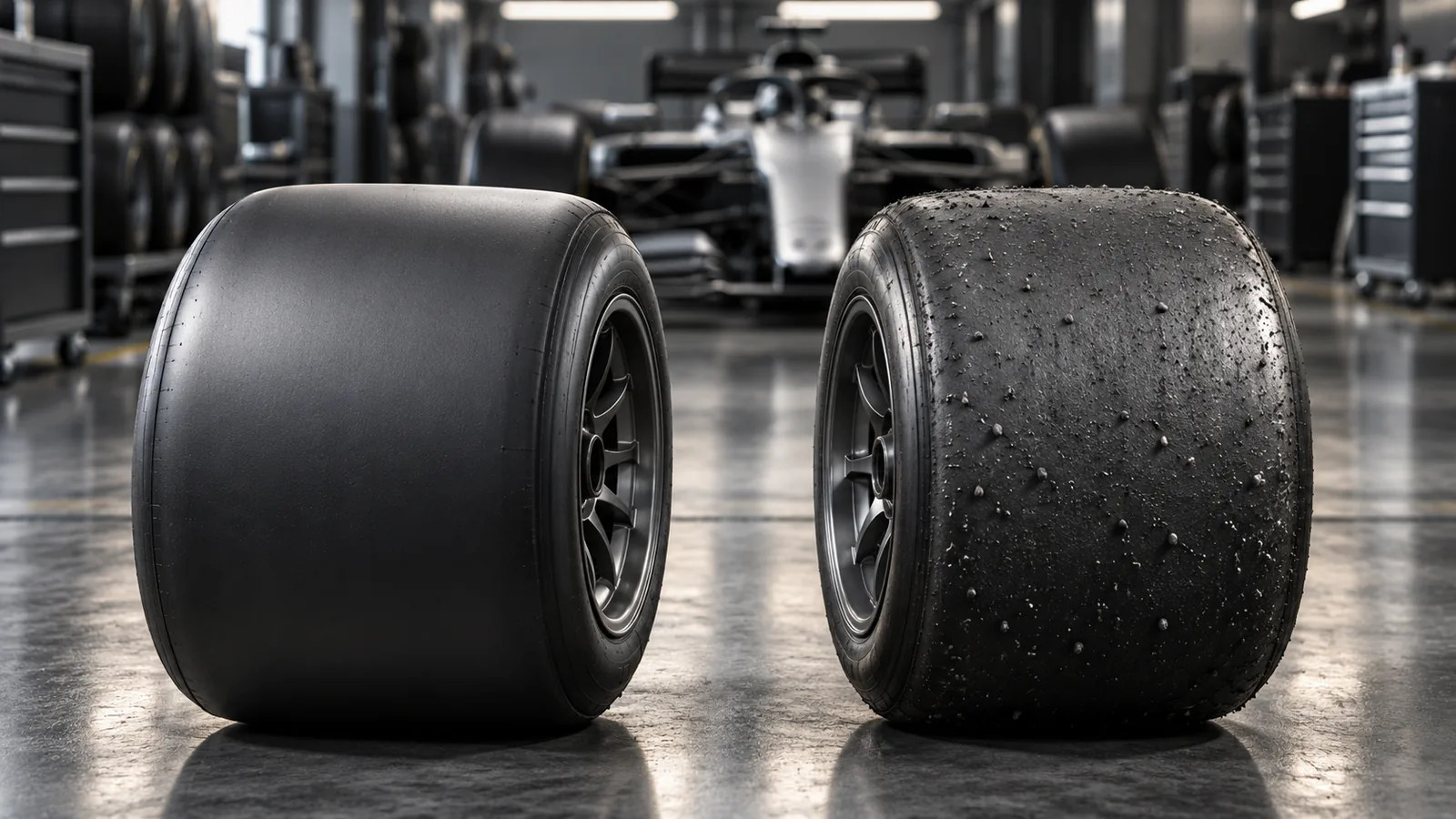
A common point of confusion during a Grand Prix is understanding why F1 tyre age does not reset after a pit stop when a car returns to the track. Tyre age is tracked per physical set of rubber rather than per pit visit or driving session. If a team elects to fit a set previously scrubbed during practice or qualifying, or merely stops to attend to car damage without replacing the rubber, the tyre history carries over directly into the new stint.
While a stint counter resets to record the duration of an ongoing run, the overall tyre age continues to accumulate the laps previously logged on that specific set. Broadcast graphics may apply differing counting conventions regarding installation laps, but the mechanical wear and running history remain tied to that individual allocation.
Regulations and Performance Realities
Formula 1 regulations treat tyre sets, compound specifications, and usage status as separate categories. Fitting an alternative set of the same soft specification constitutes a tyre change, yet both sets retain independent wear profiles. Article B6.3.2 of the 2026 FIA Sporting Regulations formally defines when fitted tyres become used, though designating a set as used does not signify that its effective grip has vanished.
Furthermore, an older set does not automatically guarantee slower lap times on subsequent laps. Factors such as fuel burn-off, operating temperatures, track evolution, and graining behaviour all influence grip. A pit stop cannot erase accumulated running from a physical set, but performance degradation does not follow a uniform, continuous decline across every compound or circuit.
In stage rallying, cars complete timed sections at competitive speed across a flying finish line, but administrative timekeeping takes place downstream at a designated stop control. This functional separation between a rally flying finish vs stop control gives competitors between 200 and 500 yards to slow down, hand over time cards to marshals, and receive official verification of their stage times.
Strict Maintenance Restrictions After the Flying Finish
When a car suffers a mechanical failure right as the competitive stage concludes, the crew cannot immediately pull over or begin repairs. Sporting regulations prohibit competitors from stopping, reversing, or performing any maintenance work between the flying finish and an end-of-control marker located roughly 50 metres past the stop control. Crews facing sudden fluid leaks, brake issues, or terminal engine problems must nurse the car entirely through the deceleration zone, halt cleanly at the red stop board for timing administration, and clear the final control marker before they can address any reliability failures.
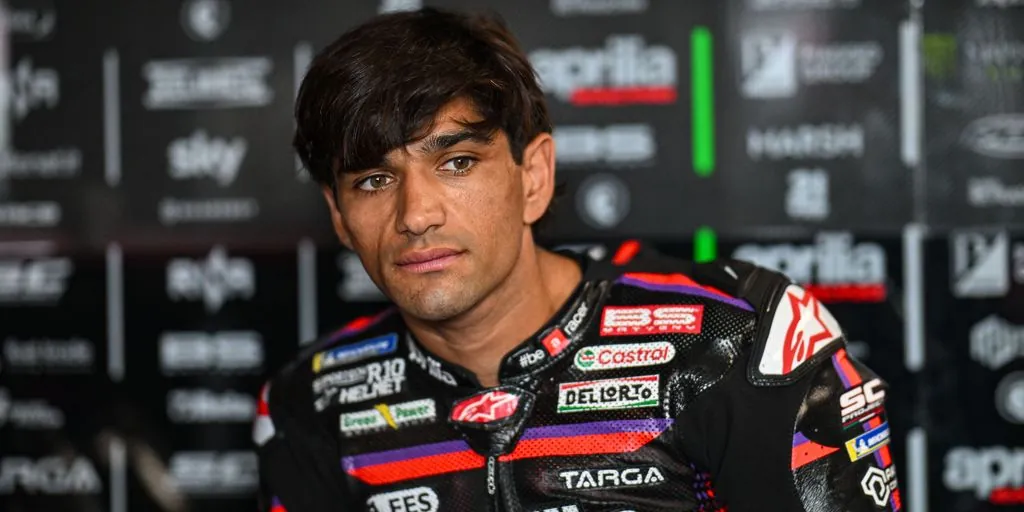
Championship consistency and weekend reliability can unravel in an instant on track. During Saturday's Tissot Sprint at Phillip Island in October 2026, Aprilia Racing rider Jorge Martin entered the round leading the title standings while disputing the race lead with Marc Marquez. On Lap 8, after running over the inside kerb at Turn 7, the motorcycle became unsettled on corner entry, resulting in a tucked front end at Turn 8 and a tumble through the gravel trap.
The consequences extended far beyond an unassisted non-finish in the short race. When news confirmed that Jorge Martin Ruled Out of Australian GP After Phillip Island Sprint Crash, the title picture shifted drastically, leaving Marquez to secure his ninth Sprint victory of the year and take over the points lead while Aprilia relied on Marco Bezzecchi's fourth-place recovery.
Medical Assessment and Race Clearance Outcome
Circuit medical personnel evaluated Martin immediately at the trackside medical centre. Diagnostic X-rays showed a confirmed fracture of the distal radius along with a suspected distal ulna fracture, indicating a confirmed break in one forearm bone near the wrist and potential involvement in the other.
Due to these forearm injuries, officials officially ruled Martin unfit to take part in Sunday's main Grand Prix. Further examinations in Melbourne were arranged to provide a complete diagnosis and clarify the recovery timeline.
During practice and warm-up sessions, stepping beyond the designated track boundary results in the cancellation of that lap time. Under FIM regulations, officials consider both the machine and the rider when evaluating whether an off-track excursion took place, even if the rider and motorcycle become separated. The official timing system invalidates the lap whenever an advantage is deemed gained.
Race Incidents and Communication Protocols
When a rider leaves the circuit during a race, they must re-enter either at a designated point or in a manner that yields no advantage. If an advantage is gained or the rider cuts the circuit, the FIM MotoGP Stewards Panel evaluates the incident and determines the sanction. Under standard MotoGP track limits rules, any penalty instruction is transmitted directly to the motorcycle dashboard, communicated via timing and broadcast screens, and shown from the pit board. The lap count allotted for serving that penalty officially starts once the rider crosses the finish line following the dashboard notification.
Compliance Deadlines and Decision Finality
Riders are required to serve penalties within a designated lap or distance window. Ignoring that deadline triggers escalated disciplinary measures from officials, which remain distinct from routine penalty substitutions such as time adjustments. Decisions made by Race Direction or the stewards regarding track limits are categorized as statements of fact, meaning they cannot be protested or appealed through judicial bodies or external courts.
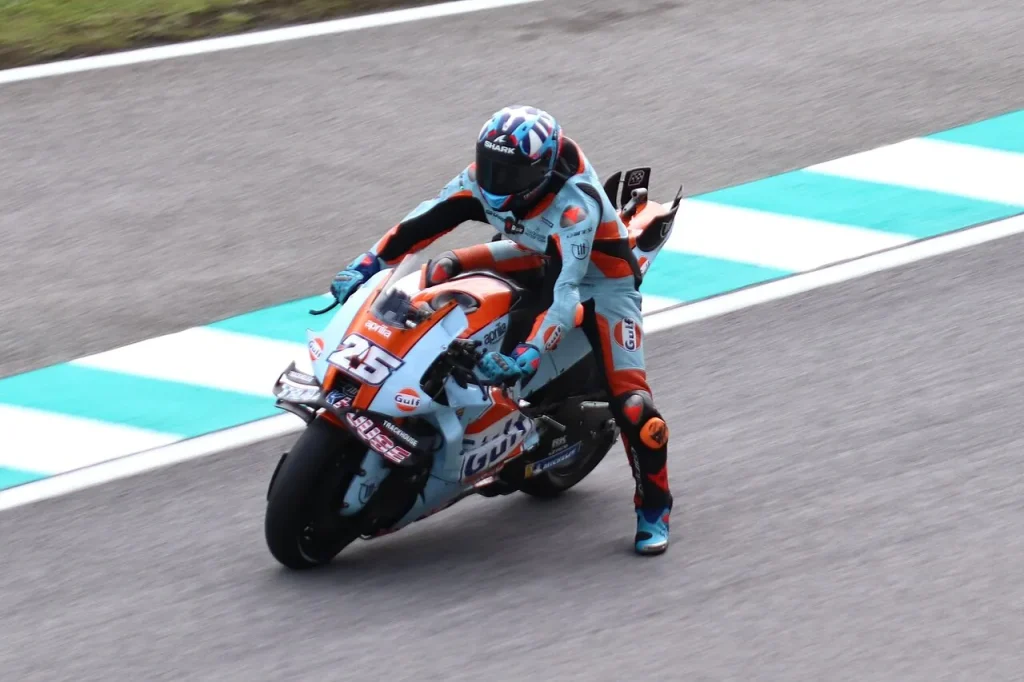
Physical attrition can alter a race weekend just as abruptly as mechanical failure. During the 2026 Australian Grand Prix, SuperFile Trackhouse MotoGP Team rider Raul Fernandez had qualified on the second row for the 27-lap main race at Phillip Island, but ongoing physical limitations brought his running to a halt during Saturday's Sprint. Severe pain in his right hand forced him to pull off the circuit and abandon the remainder of the event.
The root of the issue was a stable fracture in his right index finger, sustained two weeks earlier at Mandalika during the Indonesian Grand Prix. Although the bone fracture itself remained stable, inflammation in the adjacent soft tissue created acute pain under the physical loads of riding, culminating in the decision that Raul Fernandez Withdraws from Australian MotoGP After Sprint Retirement.
Consequences for Grid Position and Upcoming Rounds
Stepping down from the Sprint required Fernandez to forfeit his second-row grid spot for Sunday's feature race at a venue where he had achieved victory the previous season. The withdrawal marked a significant loss of competitive running for the British Grand Prix winner, emphasizing how lingering soft-tissue swelling can compromise a rider's ability to operate controls reliably over race distances.
Fernandez's physical fitness challenges extend beyond Phillip Island. Medical evaluations declared him unfit ahead of the upcoming Malaysian Grand Prix at Sepang. While he planned to travel to Malaysia for additional medical care with the goal of returning to competition, his participation for that round remained unconfirmed.
In Grand Prix motorcycle racing, moving before the red lights extinguish is officially classified in the FIM regulations as anticipating the start. Under current MotoGP jump start penalty rules, the standard sanction for this infraction is two Long Lap Penalties, which apply across both Sprint sessions and full Grand Prix races. Disciplinary calls are administered directly by the FIM MotoGP Stewards Panel rather than general Race Direction.
On-Track Execution and Time Loss
To serve each penalty, a rider must guide their motorcycle through an elongated asphalt loop placed outside the normal racing line at a designated section of the circuit. Traversing this extension adds an average of 2 to 4 seconds, typically costing around three seconds per pass, which routinely forces riders to surrender track position. Because a false start requires two loops, the rider must complete the route on two separate laps.
Dashboard Alerts and Escalation Procedures
Stewards notify the rider of the sanction directly through their motorcycle dashboard display, showing the code L LAP X2 alongside yellow lights. The notification also appears on trackside signal boards and team timing monitors. If a rider fails to serve the required laps and repeatedly ignores the instructions, stewards escalate the consequence to a pit-lane ride-through penalty governed by the 60 km/h speed limit, or assess an added time penalty of up to two minutes.
Post-Race Timing Audits and Article 12.12 Demotions
In endurance and sports car racing, crossing the finish line first or securing a podium on track does not ensure the final result. Series officials conduct formal post-race reviews of timing and scoring data to confirm that every competitor satisfied mandatory stint lengths. Under Article 12.12 Drive-Time Penalty Order, an entry that fails to meet these required thresholds is demoted behind all class rivals that completed the proper run time, effectively moving the car to the back of its class classification regardless of on-track position.
These regulations establish distinct obligations based on driver ratings and specific event rules. Under IMSA Standard Sporting Regulations (SSR) 12.13.2, silver- and bronze-rated drivers are assigned mandatory minimum drive times, while other co-drivers must complete assigned base drive times. When sessions are interrupted by red flags, SSR 12.11.5 requires both minimum and base targets to be reduced proportionally based on the time running was suspended. Understanding the mechanics of IMSA minimum drive time penalties explains why official results sheets can shift dramatically hours after the checkered flag waves.
Historical Class Reversals at Daytona and Bowmanville
The practical effect of these post-race audits was evident at the 2019 Rolex 24 At Daytona, where GT Daytona regulations required silver and bronze competitors to log four hours and 45 minutes, with co-drivers needing three hours and 30 minutes of base time. Following the event, officials determined that the second-place finishing No. 29 Montaplast by Land Motorsport car and the No. 63 Scuderia Corsa entry did not satisfy their stint quotas. Both entries were relegated to 22nd and 23rd in the GTD finishing order, elevating the No. 12 AIM Vasser Sullivan and No. 88 WRT Speedstar Audi Sport teams onto the class podium.
Similar sanctions govern sprint events across IMSA-sanctioned feeder series. During the 2018 IMSA Prototype Challenge round at Canadian Tire Motorsport Park, Kyle Masson finished first on the road in the No. 11 Elan DP02 but failed to meet the required 40-minute minimum duration. The resulting penalty placed the car at the back of the Mazda Prototype Challenge classification, handing the class win to teammates Howard Jacobs and James French.
Rally competition requires an unbroken line of communication between driver and co-driver to commit to blind crests and high-speed sections. When severe physical impacts disrupt that process, the operational reliability of the cockpit routine collapses instantly. During the Cambyretá stage at Rally del Paraguay, M-Sport Ford driver Josh McErlean faced this issue when co-driver Eoin Treacy lost hold of his pacenote book over a harsh jump landing. The impact momentarily left McErlean with a blank mind, forcing the crew to traverse roughly 400 metres before the next junction without guidance before regrouping.
Gaps in Reconnaissance and Lost Stage Time
A breakdown in note guidance does not always stem from a dropped folder; inaccuracies originating in reconnaissance can also leave crews without dependable road data. Dealing with WRC lost pace notes or missing stage details immediately shifts a driver from committed anticipation into cautious, reactive visual driving. At the 2026 running of Rally Japan, Takamoto Katsuta lost 25.9 seconds on stage two while managing missing pacenote information following an earlier tyre puncture. Preparing notes during low-speed reconnaissance introduces inherent challenges, as Thierry Neuville pointed out on the Shinshiro City test during the 2022 Rally Japan, where navigating a 60 km/h recce limit made judging speeds accurately for top-tier Rally1 cars particularly difficult.
The Immediate Cost of Visual Driving
Without reliable pacenote delivery, drivers cannot commit flat out over unseen crests or through blind corners. They must brake early, scan the visible road ahead, and dramatically back off stage pace to avoid major accidents until the co-driver can locate the notes and resume calling instructions.
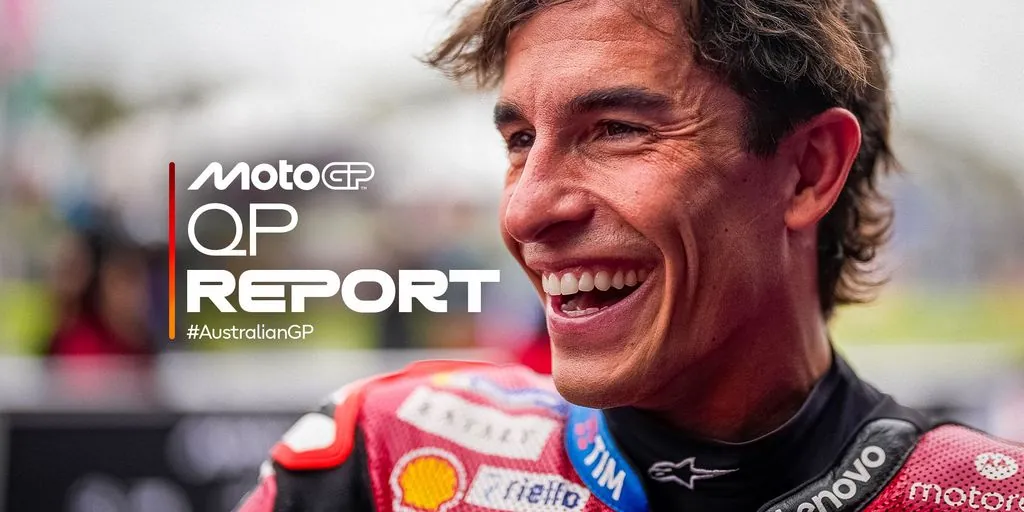
Mechanical readiness and pit lane logistics often determine whether a rider can salvage a competitive result after an on-track incident. During Qualifying 2 for the 2026 Australian Grand Prix, deteriorating weather and an early front-end tuck at Turn 4 left Marc Marquez sliding into the gravel on his initial flying lap. Because his primary machine could not be recovered in time, his entire qualifying session hinged immediately on the state and availability of his second bike.
Having a spare machine fully prepared in the garage allowed the Ducati Lenovo Team rider to sprint back to the pit lane and rejoin the track without losing the entire window. Even as rain returned to make the surface trickier, Marquez posted a 1:34.203 lap time on his backup bike to secure pole position by 1.494 seconds over Alex Marquez. The turnaround, highlighted as Marc Marquez Recovers from Turn 4 Crash to Take Australian GP Pole, illustrates how having a reliable backup operational in the garage protects a team against sudden track incidents.
Managing Session Volatility Across the Grid
The brief Q2 session demonstrated how quickly competitive order can shift when track grip fluctuates and machinery is tested under pressure. Johann Zarco and Jack Miller had already advanced from Q1 by just 0.001 seconds, knocking out factory contenders Brad Binder and Francesco Bagnaia, before both featured near the top of the Q2 timing sheets as conditions varied. Zarco eventually secured third on the Castrol Honda LCR, while Miller placed fifth for Prima Pramac Yamaha.
Operational timing was equally vital for championship leader Jorge Martin on the Aprilia. Sitting tenth with only four minutes remaining, Martin completed a late recovery lap to secure fourth on the grid, narrowly ahead of Miller and Raul Fernandez. When unpredictable track conditions combine with brief qualifying windows, machine preparedness and rapid pit responses are often the difference between starting on the first two rows and getting trapped deep in the field.
A rider crash during the Sunday race at the 2026 Indonesian Grand Prix at Mandalika disrupted Fermin Aldeguer's season while he was fighting for a podium position. The incident left the Spanish rider with a fracture at the base of the first metacarpal bone in his right hand, requiring surgical intervention. Although the procedure was successful, the recovery process has prevented him from returning to race action for Round 19 at the Sepang circuit.
Rider Substitution for the Sepang Round
Due to the physical demands of racing, the lingering effects of the injury meant Fermin Aldeguer Ruled Out of Malaysian GP as Iker Lecuona Deputises at Sepang on the number 54 entry. Lecuona, the 2026 WorldSBK runner-up who previously substituted for Aldeguer at the Australian round, steps in again to keep the machine on the grid while Aldeguer continues his rehabilitation.